-
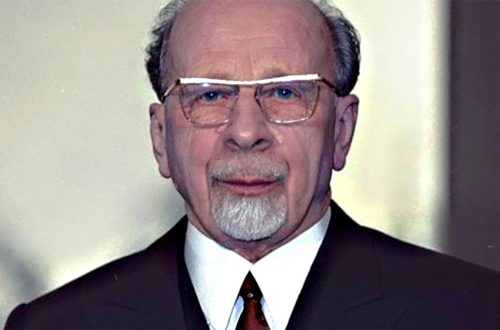
How Rubbish Theory Turned the Dictator into a Mascot
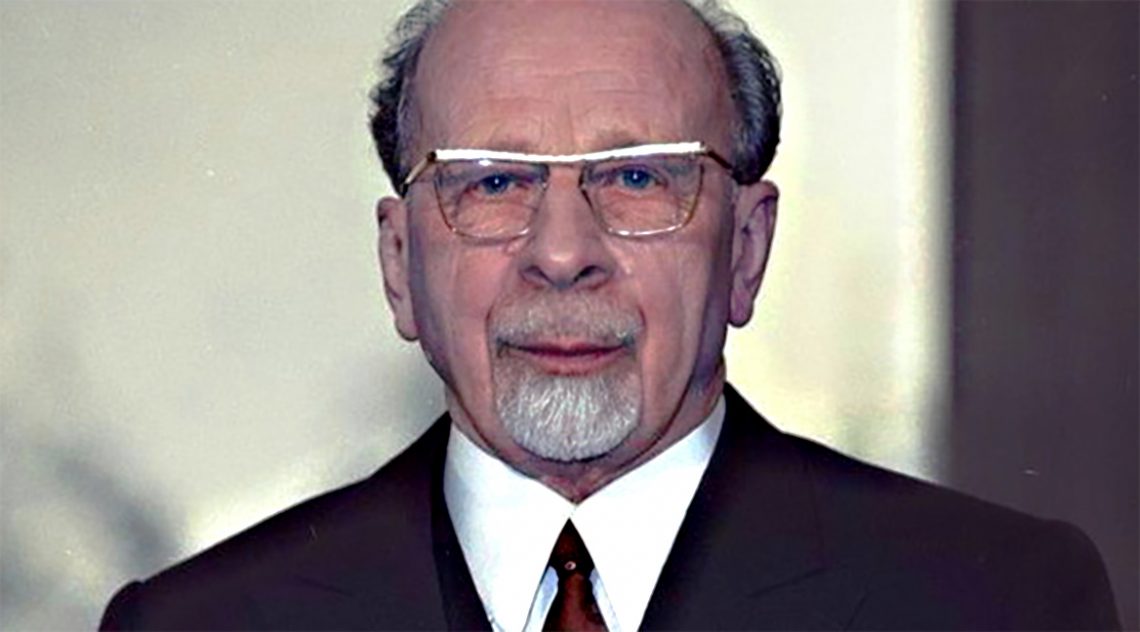
Walter Ulbricht, strongman of the German Democratic Republic between 1949 and 1971, was not a very nice man, by all accounts: a rigid bureaucrat with a relentless survival instinct that cost more than a few comrades dearly. He was responsible for the building of the Berlin Wall, intiated the East German police state, and wasted few tears when dealing with internal troubles. In 1971, he got deposed through a typical Eastern Bloc palace coup and was replaced by another not very nice man, Erich Honecker. Yet despite his questionable resumé, Ulbricht’s reputation today is much better than that of his successor’s. How is that even possible?
-
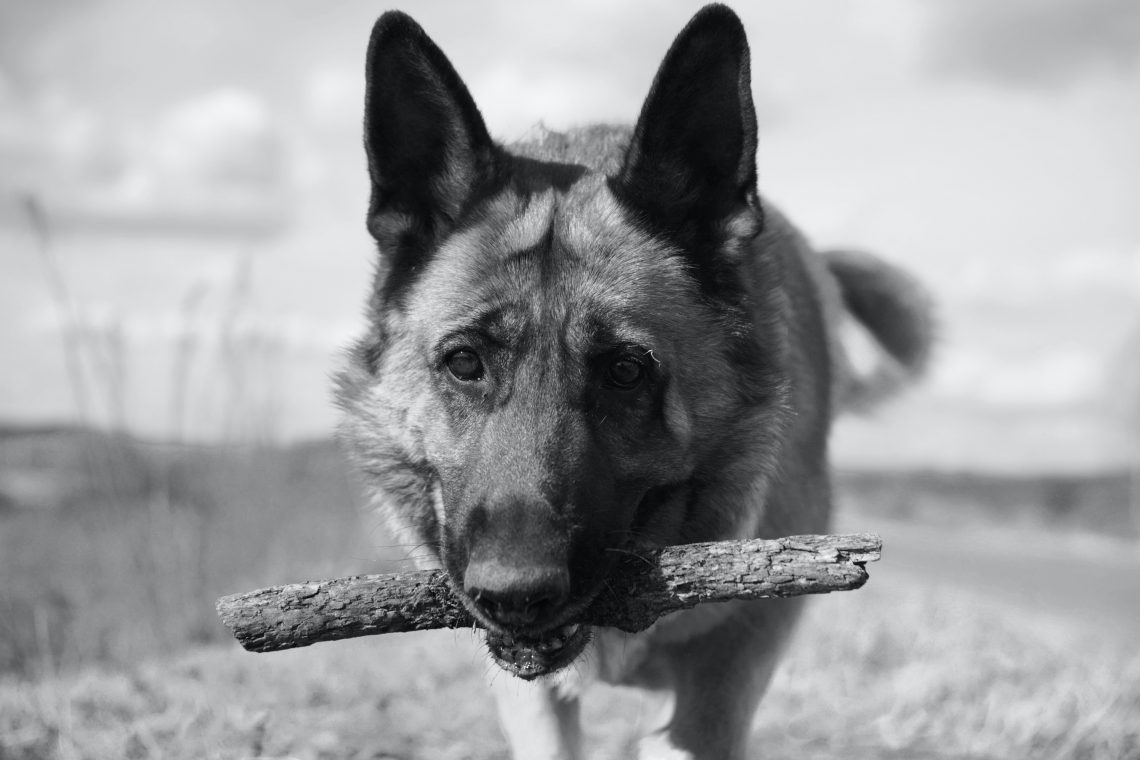
Peaceful Vegetarians and Totalitarian Alsatians: Why Forgery Rests on Expectation
Successful forgeries generally have one thing in common: they fulfil a demand. This was also the basis of one of the most famous historical forgeries, and certainly one of the most profitable: the faking of Adolf Hitler’s “diaries” during the early 1980s. When the forgery came to light in 1983, its most astonishing aspect was the breathtaking gullibility on the part of people who more than anyone else should have been trusted to use their critical instincts: journalists. The German magazine Stern took years to overcome the debacle, which it never entirely succeeded in doing.
-
WAAT – A new platform for digital stories
We have signed the contract! From December 2020, Quiosq is participating in the Erasmus + project WAAT. WAAT is a project aimed at adult educators, and seeks to promote both the exchange of good practices and the development of new material to teach students about values of cultural heritage across different European countries.
-
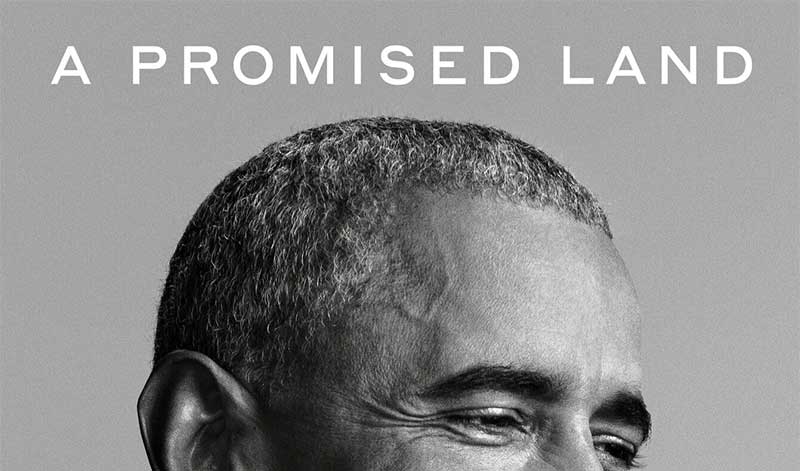
Barack Obama’s memoirs, and the heritage of political apologetics
What do Barack Obama, Admiral Mikós Horthy and the Persian Shah have in common? After today, they’ve all written autobiographies to shed light on their political career. And while Obama’s will be very different in most respects, we can also be sure that in other ways it won’t.
-
Brussels and beer
Many of us watched last week’s exciting US presidential elections: on CNN, we saw the screens and numbers move by at breakneck speed. We were reminded that the USA consisted not only of states, but of all kinds of counties, and zoomed literally and figuratively back and forth between those levels. It was a magical and sometimes alienating experience at the same time. But many will also have wondered why we didn’t actually have such a thing in our “country”, in Europe. We don’t really have that much of an idea what is happening in Brussels and we don’t go out on the street angrily or happily and watch TV…
-
Accidents as heritage: our fascination with a specific type of train crash
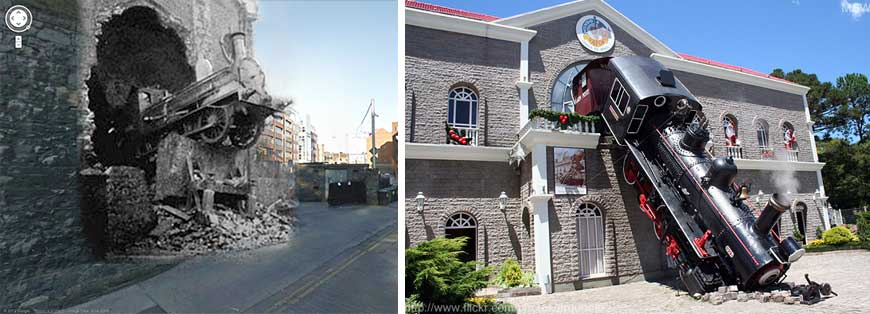
On Monday, November 2nd, 2020, a train belonging to the Rotterdam Metro network crashed through its barrier at Spijkenisse station and came to a standstill atop a work of art depicting two whale tails. Much to the surprise of everyone including the artist who fashioned the artwork, the structure proved strong enough to keep the entire train aloft. An understandably shaken driver was taken out of the train through a back door. As it was an empty train, no one was hurt; how the incident could occur is apparently still unclear. If the image above comes across as somewhat familiar, that is quite understandable. As long as we’ve…
-
He.Co
He.co was a project set up for the purpose of analyzing and sharing good practices for the development of strategies for the enhancement of local cultural heritage. In the Erasmus+ project He.Co (Hertitage Valorization for Small Local Communities, 2018-2020) Bob Crezee, representing the Reinwardt Academy, worked together with CIAPE (Italy), Plunge Library (Lithuania), VisMedNet Association (Malta) and the Education Centre Geoss (Slovenia). Photo by Céline Geeurickx on Unsplash
-
Biological Collections RUG
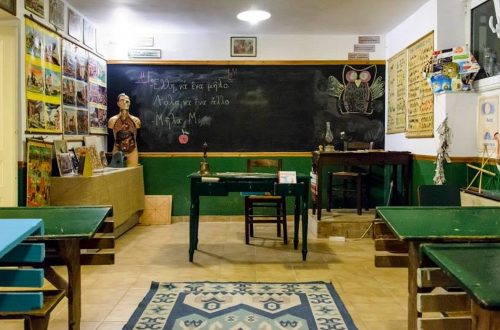
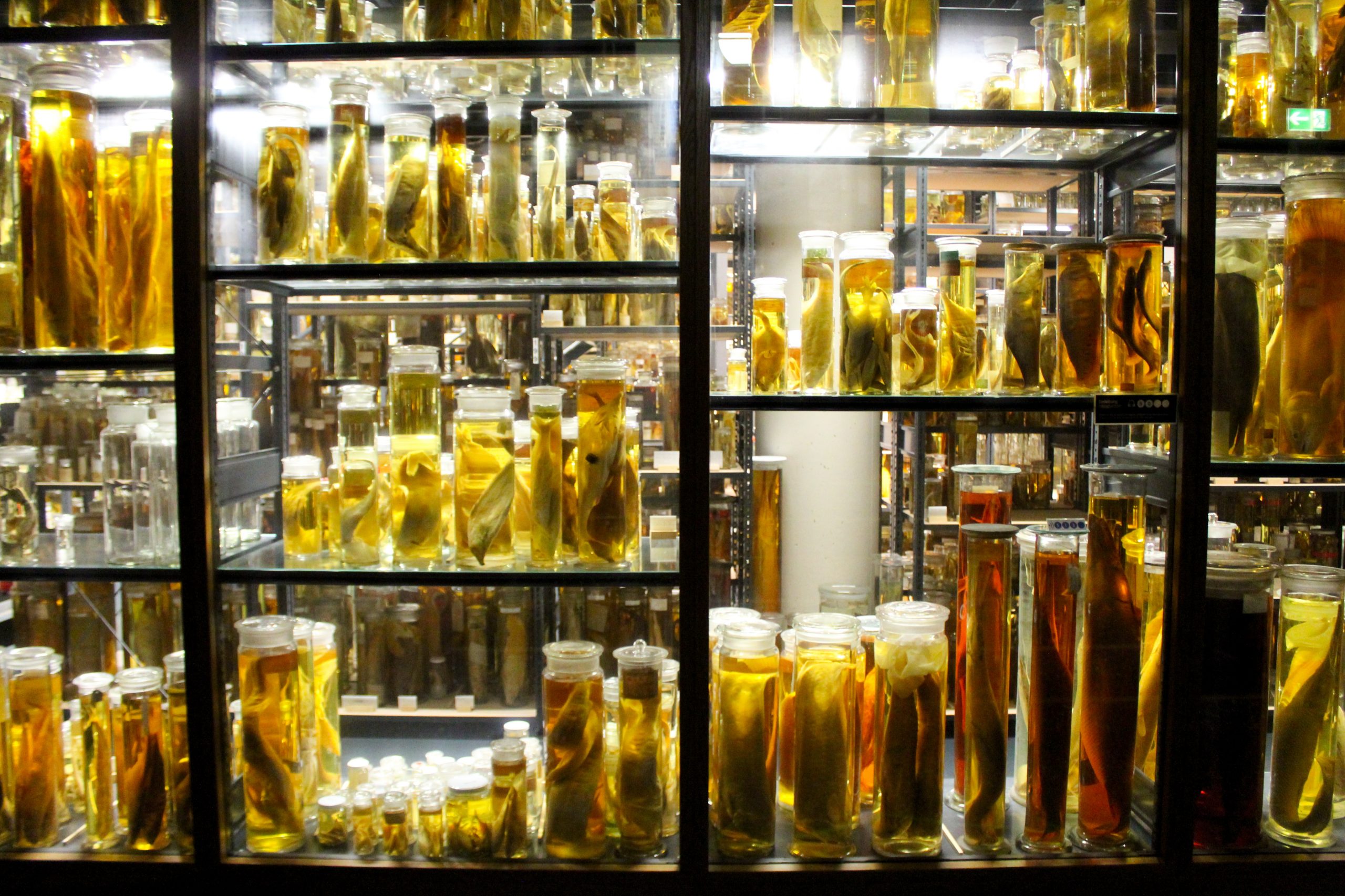
Following the move of the Groningen University (The Netherlands) Department of Biology to a new building, Van der Duin assessed and inventoried the hitherto unused historical collections of the deparment. With the objective of integrating the collections into those of the Groningen University Museum, an extensive collection plan was conceived, including criteria for extension and deaccessioning of objects from the collection. Photo by Savannah Wakefield on Unsplash
-
Museum History
A series of projects and publications detailing aspects of the history of various heritage institutions, both to profile aspects of their history, and to provide background material for future publications and marketing efforts. Photo by Mat Reding on Unsplash
-
Emphos
The objective of the Erasmus+ project EMPHOS was to develop the entrepreneurial skills and attitude of museum professionals and staff within cultural heritage organizations. After in-depth research, a framework was developed for cultural entrepreneurs in Europe containing general knowledge and skills. Emphos was carried out as a collaboration between the Reinwardt Academy (project leader Bob Crezee), Landschap Erfgoed Utrecht, Goldsmiths University, CIAPE and the University of Bologna. Photo by Michele Bitetto on Unsplash
Heritage Projects