ALZ-Q: A European project comes to a successful conclusion
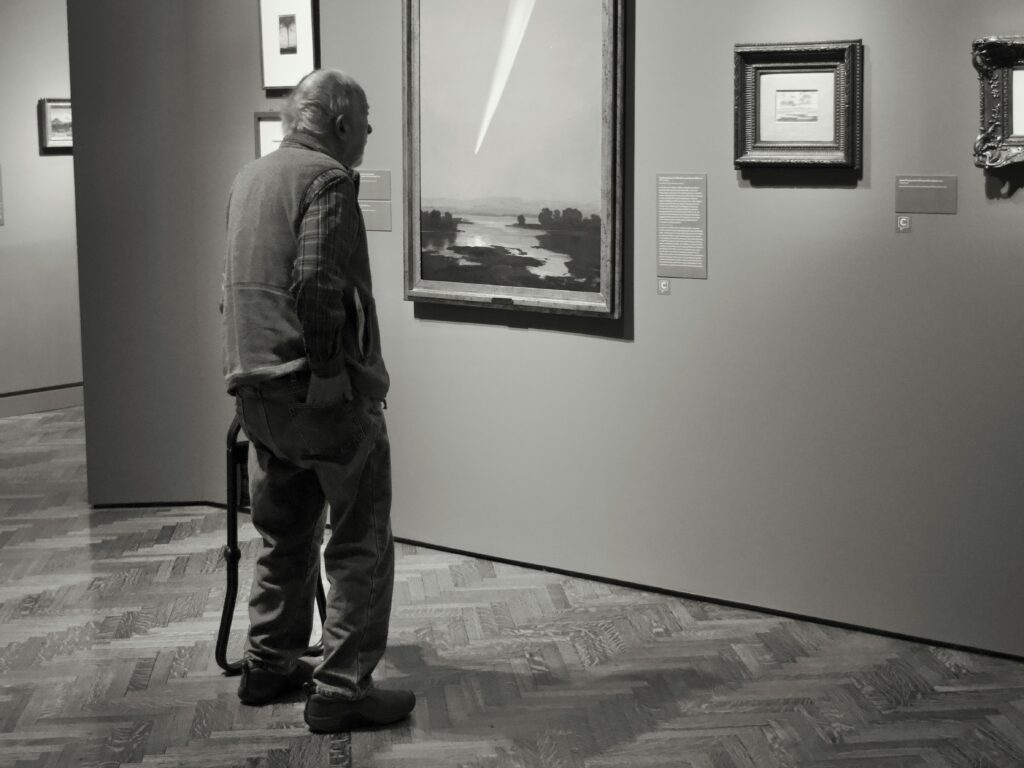
Photo by cool guy jon on Unsplash
After two years of European cooperation, the Erasmus+ project ALZ-Q has officially come to an end. The final report has received a positive evaluation from the Dutch National Agency, with a score of 81 points out of 100. All administrative and financial procedures have now been completed, marking the successful conclusion of a project that brought together cultural and educational organisations from across Europe. But while the project itself has ended, its results remain available to everyone interested in making cultural heritage more accessible to people living with Alzheimer’s disease.
Making cultural heritage more inclusive
ALZ-Q, Facilitators in Small Cultural Institutions for People with Early-Onset Alzheimer’s, was developed around a relatively simple idea: small museums, libraries and other cultural institutions can play a meaningful role in the lives of people with Alzheimer’s disease, particularly those in the early stages. These institutions often have limited resources and little specialist knowledge, but they also offer something valuable: personal attention, familiar surroundings and opportunities for meaningful encounters. The project explored how staff members and volunteers in these institutions could be better prepared to welcome and engage people with Alzheimer’s disease. Rather than focusing on medical care, ALZ-Q concentrated on participation, communication, cultural experiences and the importance of maintaining social connections.
From research to practical tools
Over the course of the project, partners investigated the needs of both cultural facilitators and people living with Alzheimer’s disease. Based on this research, they developed a set of competencies, training materials and practical activities. These materials were tested and refined through training sessions and pilot activities in several European countries. In total, 78 facilitators received training, gaining knowledge and practical experience that they can apply in their own institutions. One of the main results is the ALZ-Q Toolkit, which brings together practical guidance, exercises and activities for cultural organisations wishing to become more inclusive. The toolkit is available in ten languages, making it accessible to a wide European audience. The project also demonstrated the value of international cooperation. Although cultural institutions and approaches to dementia differ between countries, many of the challenges are remarkably similar. Sharing experiences and learning from one another proved to be an important part of the process.
The results remain available
Although ALZ-Q has formally ended, its materials will remain publicly accessible. The project’s website contains reports, training resources, practical examples and the multilingual toolkit. All materials can be found at:
https://alzq.substack.com
We hope that museums, libraries, adult educators and other cultural organisations will continue to use these resources, adapt them to their own circumstances and share their experiences.
Looking back, and looking ahead
For Quiosq, as coordinator of ALZ-Q, the project has reinforced an important conviction: cultural heritage is not only about preserving the past. It is also about creating opportunities for participation, connection and belonging in the present. We are grateful to all our European partners, facilitators, participants and cultural institutions who contributed their knowledge, experience and enthusiasm throughout these two years. The formal project may be over, but the ideas, materials and partnerships remain. And perhaps that is the most important result of all. ALZ-Q was an Erasmus+ cooperation partnership in adult education, coordinated by Quiosq (the Netherlands), funded by the EU, and ran from September 2024 to August 2026.